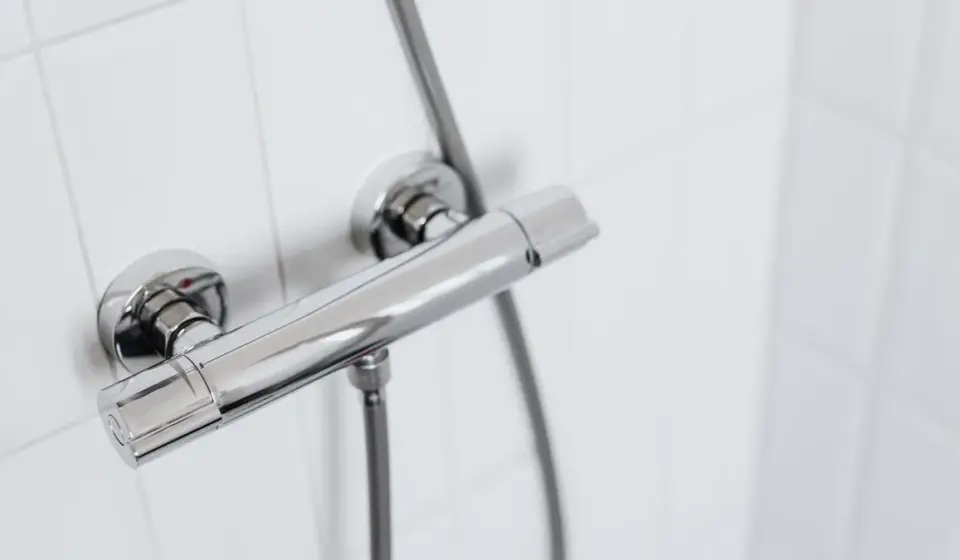

Last updated: November 13, 2026
Key Takeaways
- Thermostatic valves prioritize comfort and steadier temperature; pressure-balanced valves keep swaps simpler.
- If temperature drift is the problem, a thermostatic shower valve is usually the better fix.
- A thermostatic shower valve is best when stable temperature matters more than anything else.
- A pressure-balanced shower valve is the practical choice for replacing a basic valve with minimal wall work.
Your shower can lose temperature control when someone flushes, runs the dishwasher, or opens another tap. Quick answer: a thermostatic shower valve is the better replacement when you want steadier water temperature and separate control of heat and flow; a pressure-balanced valve is the simpler fit when you mainly want scald protection on a standard single-handle setup. The sections below settle which one matches your plumbing, your trim, and your budget for labor.
Our Top 3 Picks at a Glance
| Pick | Option | Best For | Core Spec | Standout Feature | Action |
|---|---|---|---|---|---|
| #1 Best Overall | Thermostatic shower valve | Showers where water temperature swings are the main complaint | Dual control shower valve; separate temperature and volume control | Holds a set temperature more precisely than a basic pressure-balanced spool in most replacement setups | Check current price and confirm the trim compatibility before buying |
| #2 Best Budget Pick | Pressure-balanced shower valve | Straightforward replacements in a one-handle bath where scald prevention is the main goal | Single control; diaphragm spool or similar pressure-balance mechanism | Simpler valve body and easier fit for many existing rough-ins | Check current price and compare stem/trim dimensions with your existing valve |
| #3 Best Heavy-Duty / Upgrade Pick | Thermostatic valve with volume control | Bathrooms that need both temperature stability and better flow control | Thermostatic mixing with separate volume regulation | Better match for multi-head or higher-demand showers when the rough-in supports it | Check current price and verify pipe sizing and flow rate gpm requirements |
The real difference between a thermostatic valve and a pressure-balanced valve
A thermostatic valve wins on comfort; a pressure-balanced valve wins on simplicity. The key difference is control method: thermostatic valves use a wax thermoelement or similar sensing element to keep outlet temperature stable, while pressure-balanced valves react to pressure changes with a diaphragm spool or cartridge that limits sudden hot or cold spikes.
Picture this: you’re showering and another fixture turns on. With a thermostatic shower valve, the mixed water temperature stays closer to the number you set. With a pressure-balanced valve, the handle may not move much, but the valve’s job is mainly to prevent a scald jump, not to fine-tune the shower.
Here’s the catch:
- Thermostatic valves usually give you dual control: one control for temperature, one for flow or volume.
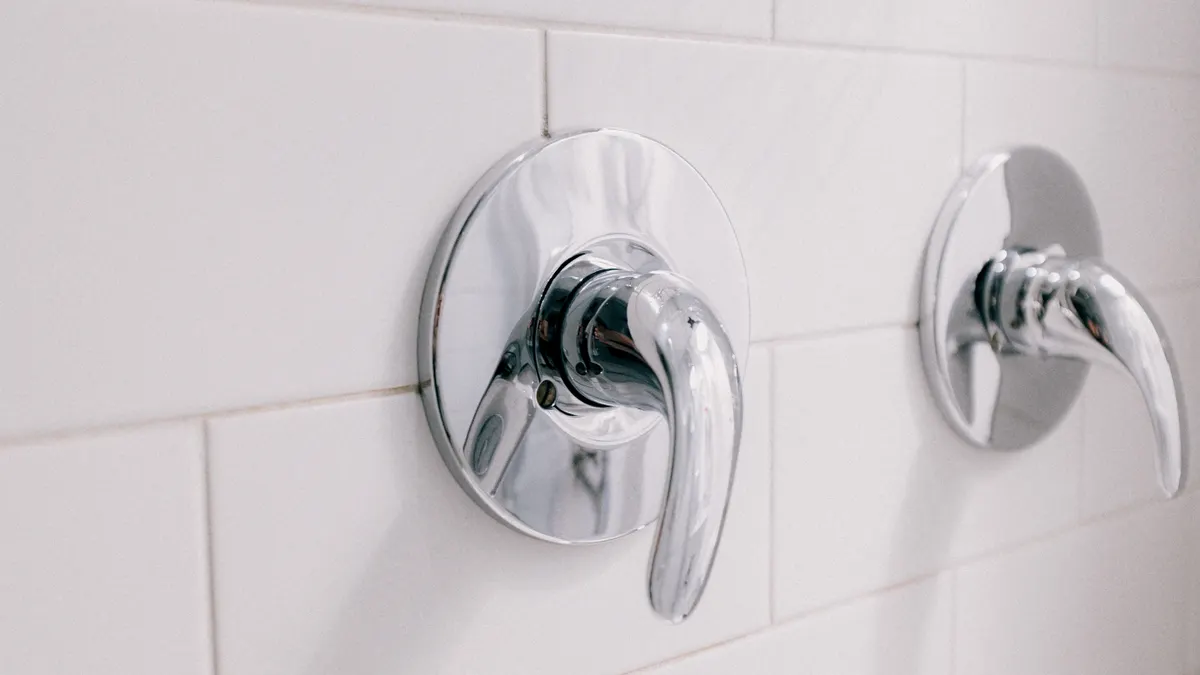
- Pressure-balanced valves usually keep a single-lever feel, which is easier for many remodels.
- Both are used for scald prevention plumbing, but they do it differently.
For a replacement, that difference matters because the wrong body style can force you into pipe changes, trim changes, or a different rough-in depth.
Which one should I choose for a shower valve replacement?
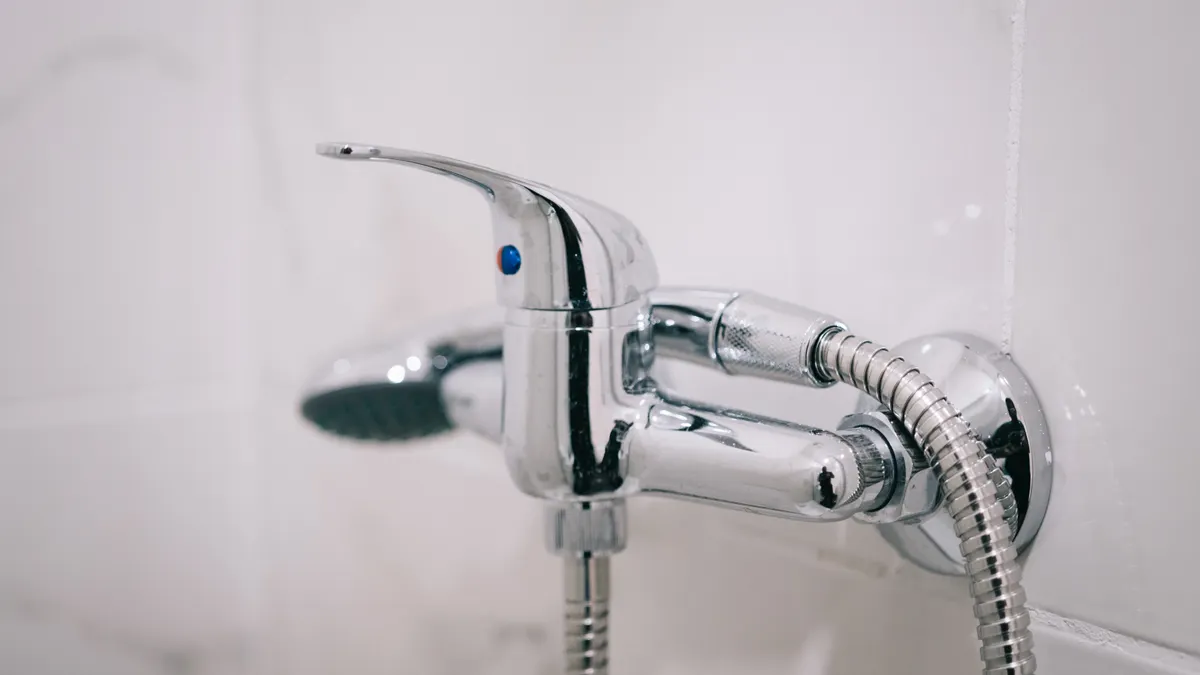
Choose a thermostatic shower valve if the complaint is temperature drift, not just an old worn-out trim. It is the better choice when you want to set the shower hotter or cooler with more precision, or when more than one outlet may run at once.
Picture this: you’re replacing a valve in a family bathroom where the shower gets hit by sink use, toilet flushes, or a laundry cycle. The thermostatic body is usually the better long-term fix because it separates temperature control from water volume regulation.
On the flip side, choose a pressure-balanced valve if your current shower uses a single handle, the opening in the wall is already sized for that style, and your main goal is simple protection from pressure swings. It is often the less disruptive replacement.
Use this rule of thumb:
- Thermostatic: best for comfort, multi-outlet setups, and people sensitive to temperature changes.
- Pressure-balanced: best for a plain one-shower replacement where code compliance and cost of labor matter more than precision.
- If the wall cavity is tight and the existing plumbing is basic, pressure-balanced often means fewer surprises.
A generic article misses this part: the choice is not just about “better technology.” It is also about how much work the replacement will create at the wall.
Thermostatic shower valve: who should actually use it?
A thermostatic shower valve wins when the person using the shower cares about stable temperature more than anything else. It is the stronger choice for a dual control shower valve layout, especially when the install includes a separate volume control or a second outlet.
Picture this: you’re standing under the water, and you want the temperature to stay put while you tweak the spray from soft to hard. That is the thermostatic valve’s lane. The sensing element reacts to incoming hot and cold supply changes, and the result is steadier shower water.
The strengths are practical:
- Better temperature precision than a basic pressure-balanced replacement.
- Easier to pair with multiple shower functions.
- Better fit when the project is already a more involved bathroom upgrade.
The weaknesses matter too:
- It can be harder to retrofit into a wall that was built for a simple single-handle valve.
- It may require more careful matching of trim, cartridge, and rough-in depth.
- Some systems need the correct flow rate gpm and supply balance to work as intended.
Who Should Skip This: Skip it if you need the least disruptive swap in an older wall cavity; a pressure-balanced valve is usually the cleaner fit.
Buy this if: you are replacing a shower valve in a home where temperature swings are the main complaint, and you want separate temperature and volume control.
Skip this if: you need a quick changeover with the fewest plumbing changes, or the existing rough-in only supports a single-lever body.
Pressure-balanced shower valve: the specific situations where it wins
Because the goal is usually a basic replacement, a pressure-balanced shower valve wins when the job is to replace a basic shower valve without turning the wall into a bigger project. It is the standard answer in many homes because the diaphragm spool or similar balancing part is built to react to supply-pressure changes, which helps reduce scald risk.
Picture this: you want the shower to stop going hot when another fixture opens, but you do not need a high-end mixing setup. A pressure-balanced valve is the simpler match. It usually fits the everyday single-handle expectation better than a thermostatic body.
Its strengths are easy to see:
- Straightforward operation for people used to one lever.
- Often a better match for existing trim sets and rough-ins.
- Good scald protection without extra complexity.
Its limits are just as real:
- It does not regulate temperature as precisely as a thermostatic valve.
- It usually gives less control over simultaneous temperature and volume changes.
- In a shower with multiple heads or frequent pressure swings, it can feel less refined.
That trade-off is why this option often makes sense in rental units, older houses, or bath remodels where pipe rerouting is not part of the plan. It is not the fanciest path. It is the practical one.
The honest side-by-side
A thermostatic shower valve is the winner for temperature control; a pressure-balanced valve is the winner for simplicity and retrofit ease. The biggest buying mistakes happen when a reader picks by handle style alone and ignores the rough-in, pipe sizing, or control layout already in the wall.
Picture this: you have the trim off, and the body behind it is not what you expected. That is where the decision either saves the job or adds another day. The comparison below shows what actually changes.
| Criteria | Thermostatic Valve | Pressure-Balanced Valve | Winner for this condition |
|---|---|---|---|
| Temperature stability | Better at holding a set temperature | Good for safety, less precise | Thermostatic when comfort matters |
| Scald prevention | Strong, with active mixing control | Strong, with pressure response | Tie for basic safety |
| Control layout | Usually dual control | Usually single lever | Thermostatic for separate temp and volume |
| Retrofit simplicity | Can be harder to fit | Usually easier to replace | Pressure-balanced in older walls |
| Multi-outlet use | Better for complex showers | Less suited to complex setups | Thermostatic for body sprays or multiple heads |
| User familiarity | Slightly less familiar to some users | Familiar one-handle operation | Pressure-balanced for simple family use |
| Maintenance complexity | More parts, more matching needed | Simpler body in many cases | Pressure-balanced for easy service |
| Pipe sizing sensitivity | More likely to need the right supply setup | Often more forgiving | Pressure-balanced for minimal changes |
| Volume regulation | Separate and deliberate | Limited by the single-control design | Thermostatic for flow control |
| Rough-in compatibility | Must match body and trim carefully | Often matches common rough-ins | Pressure-balanced for swap jobs |
One detail gets overlooked all the time: the listing may mention the valve style, but not whether the trim kit includes the exact function you need. That missing line matters more than the marketing copy.
What pipe size, flow rate gpm, and wall space change
Pipe size and flow rate gpm matter because a replacement can only perform as well as the supply behind it. A thermostatic valve can be the better product and still disappoint if the system cannot deliver enough balanced hot and cold water. A pressure-balanced valve can be the easier install and still work poorly if the supply is out of balance.
Picture this: you want a bigger shower head or a second outlet, but the supply lines and rough-in were built for a basic single-shower setup. The valve choice becomes tied to the plumbing, not just the trim. That is why the box label is not enough.
Here are the checks that change the decision:
- Valve body depth: if the cavity is tight, a simpler pressure-balanced replacement is often less painful.
- Supply balance: if hot and cold feed are inconsistent, thermostatic control has more to manage.
- Flow demand: if you plan a rain head plus hand shower, check the system’s flow rate gpm limits.
- Existing trim style: if the bathroom already uses a single lever, a pressure-balanced replacement may save labor.
The best part is that you do not need to guess if the rough-in is wrong. A plumber or installer can identify the valve type, body depth, and trim compatibility before the wall is opened further.
When the choice flips the other way
The overall verdict flips in a few real situations. A thermostatic shower valve is not always the answer, and a pressure-balanced valve is not always the safe shortcut.
Picture this: you are midway through a remodel and the valve body in the wall is already a known brand line with matching trim availability. In that case, the correct replacement may be the one that keeps the existing system intact, even if it is not the more advanced design.
These are the exception cases:
- If the current shower has a very simple single-handle layout and the wall opening is small, pressure-balanced usually wins.
- If the household needs precise temperature control because of frequent pressure swings, thermostatic becomes the better call.
- If the shower will be upgraded to multiple outlets, thermostatic is usually the right platform.
- If the job must stay close to the existing rough-in with the least wall work, pressure-balanced is the safer fit.
On the flip side, do not force a thermostatic valve into a wall that cannot support its body depth or its supply demands. That is how a “better” valve becomes a bad install.
The verdict: which one to choose and why
Choose thermostatic if you want steadier shower temperature, separate temperature and volume control, and a better fit for a more advanced shower setup. Choose pressure-balanced if you need the simplest replacement, the closest match to a basic single-handle rough-in, and solid scald protection without extra complexity. Neither if the wall needs major plumbing changes you are not ready to make.
Picture this: you want the bathroom to work better, not become a full reconstruction project. That is the real split between these two valves. One is the comfort upgrade. The other is the practical replacement.
Replacements that make sense in the bigger shower job
A valve replacement rarely stands alone. If you are already opening the wall, it is the moment to check the trim compatibility, the supply lines, and the condition of the surrounding plumbing. A thermostatic shower valve often pairs with a broader upgrade plan, while a pressure-balanced valve often keeps the project narrower.
Picture this: you are already tied into the shower wall for a swap, and the rest of the system is old enough to cause another leak later. That is the point to think about the entire shower assembly, not only the visible handle.
A good next step is to compare the valve choice against the full shower valve replacement guide on this site, because the body style is only one part of the job. The hub can help with the broader replacement sequence without repeating the same comparison.
What matters most is this:
- If temperature swings drive the complaint, pick thermostatic.
- If you want the least disruptive replacement, pick pressure-balanced.
- If the wall layout cannot support the valve you want, the correct answer is to stop and re-evaluate the plumbing before buying.
Drafted with AI; not yet reviewed by a person.



[…] wrong upgrade is usually not the handheld itself—it is a shower valve that cannot feed two outlets […]
[…] Thermostatic vs Pressure-Balanced Shower Valve Replacements […]