
Last updated: November 16, 2026
Quick answer: a tub-to-shower conversion can cost about 2 to 3 times more than the shower pan alone if demolition, rough plumbing, and permits expand the scope. A bathtub to shower conversion project costs more when the tub is heavy, the plumbing has to move, and the permit process adds inspection steps. The biggest swings usually come from cast iron tub removal labor, rough plumbing changes, drywall repair, and whether the shower sits over a wood joist floor or a slab.
Key takeaways
- The tub itself is only part of the bill; demolition and plumbing often move the total more than the shower pan does.
- A cast iron tub is a different job from an acrylic tub because hauling and disposal take more labor.
- A slab foundation can add trenching work, while a wood joist floor can be easier to open and close.
- A plumbing permit is not just paperwork; the inspection milestone can change the schedule and the labor plan.
- The cheapest quote is not always the right one if it skips rough plumbing details or drywall repair.
What drives the price on a tub-to-shower job?
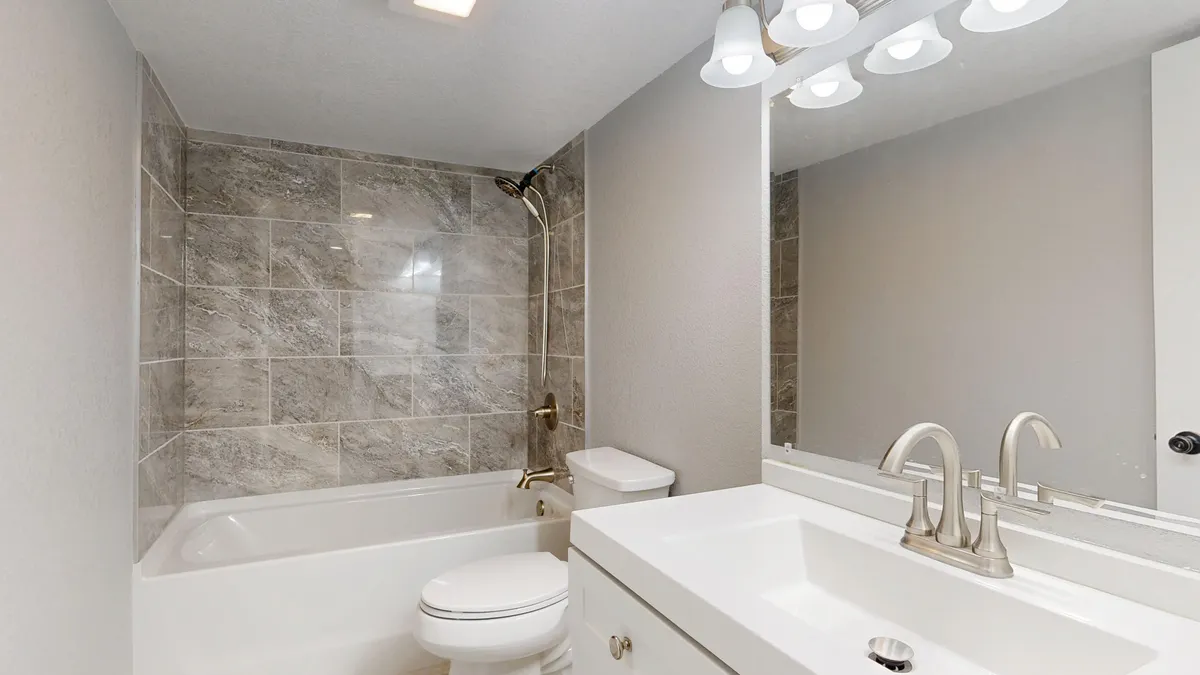
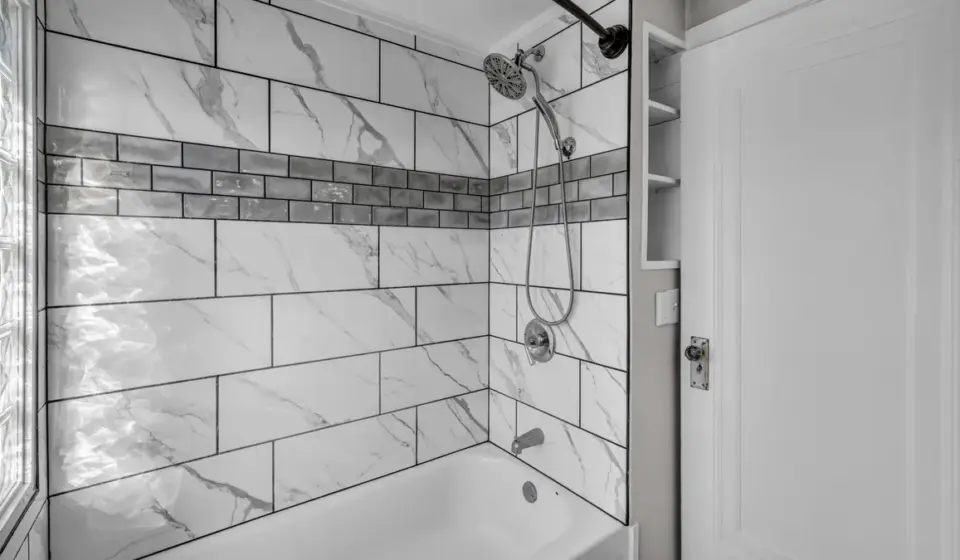
The price on a bathtub to shower conversion cost factors: plumbing, demolition, and permits job is driven by access, plumbing changes, and demolition weight more than by the shower finish alone. A simple swap in the same footprint is one project; moving drains, opening a slab, or rebuilding damaged walls is another.
The cost factors break into a few buckets. First is demolition, which includes removing the tub, cutting out wall material, and hauling debris. Second is rough plumbing, which covers drain location, trap adjustments, and any valve or supply line changes the licensed plumber must make before the finish walls go back on. Third is repair work, especially drywall repair, tile backer, waterproofing layers, and paint.
Therefore, the floor structure matters as much as the tile. A shower on a wood joist floor often allows access from below or from the room above, which can keep labor simpler. A slab usually means trenching or concrete cutting if the drain has to move, and that adds time, dust, and restoration work.
Also permit requirements can also change the budget. A plumbing permit may come with inspection timing that affects when demolition starts and when the shower can be closed up. That step is not a formality if the inspector wants to see the rough plumbing before walls are covered.
Overall, the most useful mindset is to price the project by scope, not by room name. A “tub-to-shower conversion” can mean a near drop-in replacement, or it can mean a partial rebuild behind the walls. Those are not the same job, even if the finished shower looks similar.
How does demolition change the cost?
Because of that, demolition changes the cost because the old tub’s material and weight determine how much labor it takes to remove and haul out. A cast iron tub is the biggest cost wildcard in this phase because it is heavy, awkward, and often harder to move without damage to the floor, hall, or doorways.
A lighter acrylic or fiberglass tub usually comes out faster. A cast iron tub often needs more labor just to get it broken down or carried out in one piece. That extra time can also mean more protection for surrounding surfaces and more disposal handling. If the tub is on an upper floor, the haul-out gets slower and the risk of wall or stair damage goes up.
For example, the wall finish around the tub matters too. A tile surround that extends beyond the wet area can turn a simple cutout into a larger demolition scope. Drywall repair may be small if only a strip is removed, or it may become a larger wall patch if the old tub flange is buried behind tile and cement board. The room can look fine from the outside and still hide patchwork behind the walls.
The key point is that demolition is not just tearing out the old fixture. It is the first chance to discover water damage, rotted framing, or old plumbing that does not match the new shower layout. Those hidden conditions can turn a clean swap into a broader repair job. That is why a quote that names only “demolition” without saying what gets removed is incomplete.
What plumbing changes add the most labor?

Meanwhile, the plumbing changes that add the most labor are drain relocation, valve work, and access problems behind the wall or under the floor. A licensed plumber can often keep costs lower when the shower drain stays close to the old tub drain, because the rough plumbing conversion is shorter and fewer finishes have to be opened.
If the drain must move, the floor structure decides the labor path. On a wood joist floor, the plumber may have access from below or may open part of the subfloor. That still needs repair, but it is usually less invasive than cutting concrete. On a slab, drain relocation can require trenching or concrete cutting, then patching the slab after the pipe work is done. That is the kind of hidden labor multiplier that surprises people most.
Specifically, valve location can also change the bill. If the new shower needs the mixing valve moved higher or centered for a new wall layout, the plumber has to reopen the wall, reroute supply lines, and set the valve to the correct height before waterproofing begins. Even when the rough plumbing itself is not complex, the extra wall opening creates drywall repair on the back end.
The pressure, trap, and pipe sizing details must also match the existing system and local code. That is why a plumber familiar with IPC and local amendments matters. The trim kit may be the visible part, but the hidden pipe layout is what drives labor hours.
Here is the practical rule: the more the new shower keeps the old tub drain and valve locations, the less likely the plumbing cost is to jump. Move both, and the job starts to behave like a partial remodel instead of a conversion.
What permits and inspections can add to the bill?
Then, permits and inspections add to the bill because they create both direct fees and schedule-dependent labor. A plumbing permit can carry an inspection fee, and the job may need one inspection after rough plumbing and another before the walls are closed, depending on the jurisdiction.
The direct fee is only part of it. The real cost is often the sequence. If rough plumbing is ready but the inspection is not scheduled yet, the project pauses. If drywall repair starts before the inspector signs off, work may have to be opened again. That means a small delay can turn into extra labor.
Local rules vary, but a tub-to-shower conversion often crosses into permit territory when the drain changes, the valve moves, or the wall assembly is rebuilt. A straightforward fixture swap may seem simple, but once the plumbing is altered, the permit office usually cares. The safest plan is to check whether the plumbing permit is required with the local building department before work starts.
This is also where a generic quote can mislead. Some contractors include permit handling and inspection coordination in the total. Others list it separately. If a quote does not say whether the plumbing permit and inspection fee are included, the project can look cheaper on paper than it will on the final invoice.
For code context, the International Code Council’s plumbing code resources are a useful reference point, and the EPA’s WaterSense bathroom remodeling guidance is another good starting point for planning a bathroom that uses water wisely. Those sources do not price the job, but they help explain why plumbing changes and fixture choices are not just cosmetic.
Which conversion path fits your bathroom?
Ultimately, the conversion path depends on whether you want the least disruption, the least demolition, or the least plumbing change. A same-footprint shower conversion is usually the simplest. A drain move or slab cut is usually the hardest.
| Conversion path | Best for | Main labor driver | What to skip |
|---|---|---|---|
| Same-footprint shower over existing drain | Bathrooms where the shower can stay close to the old tub layout | Minor rough plumbing and limited drywall repair | Moving the drain “just because” |
| Tub removal with wall rebuild | Rooms with damaged surrounds or outdated wall finishes | Demolition, drywall repair, waterproofing rebuild | Reusing damaged backer board |
| Slab drain relocation | Bathrooms where the new shower layout must move the drain | Concrete cutting, trenching, slab patching | Assuming it is a small add-on job |
| Wood joist access conversion | Homes with easier access below the bath floor | Subfloor opening and patching | Ignoring joist direction and access limits |
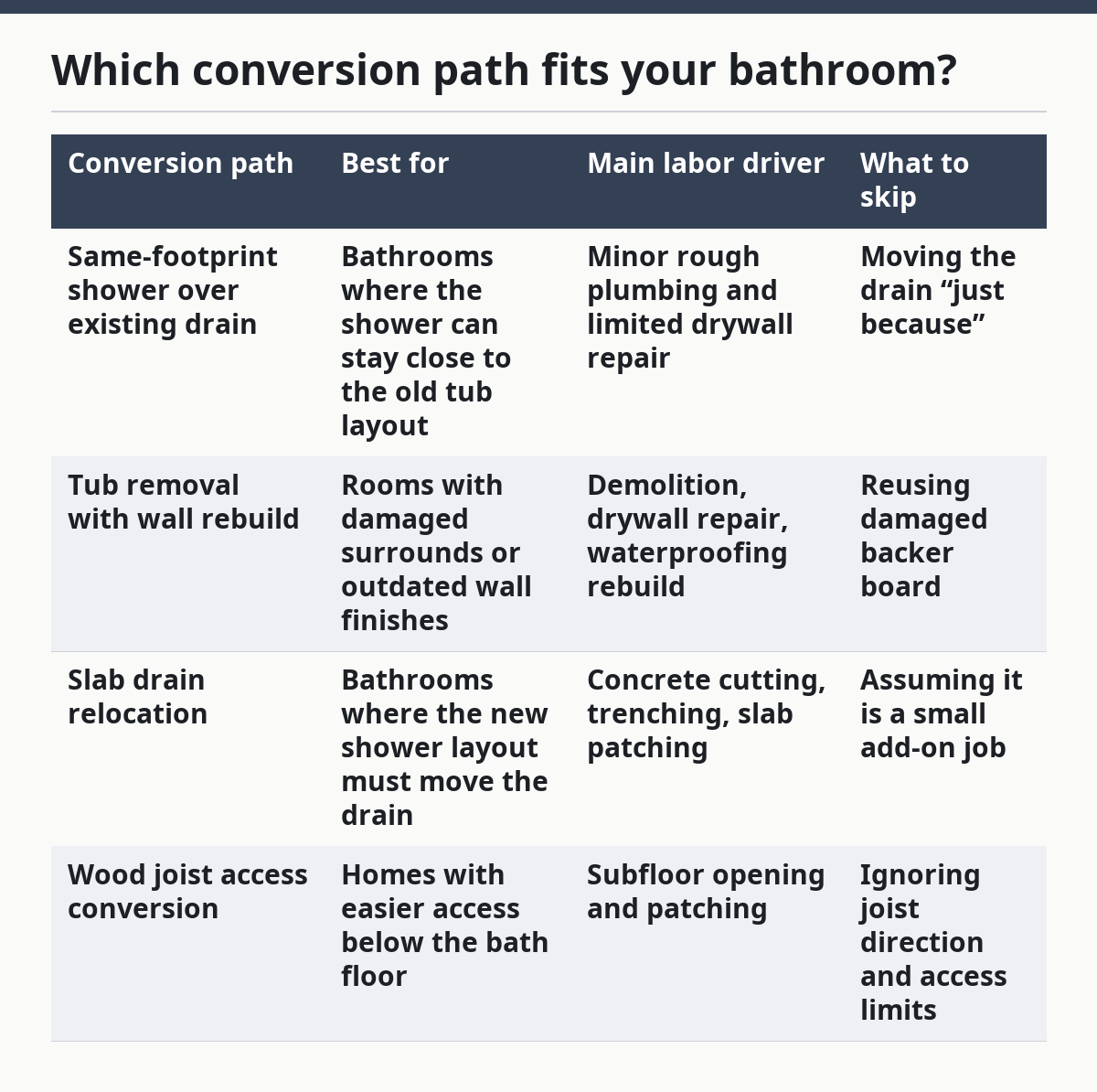
The path that saves money is usually the one that keeps the drain and valve where they already are. That does not mean every bathroom should be forced into the old layout. It means the quote should show clearly which parts are staying and which parts are moving.
A homeowner who wants the shower to be in a different spot should expect more labor than a straight swap. A homeowner who only wants a safer shower entrance may not need a full redesign. Those are different goals, and the cost should reflect that difference.
What should a good quote spell out?
In short, a good quote should spell out demolition, rough plumbing, permit handling, drywall repair, and disposal in plain language. If those items are bundled into one line, the quote is harder to compare and easier to misread.
Ask for the scope in layers. The first layer is tub removal, including whether a cast iron tub is involved. The second layer is plumbing, including whether the drain stays put or moves, and whether a licensed plumber is doing the rough work. The third layer is wall repair, because drywall repair is often the forgotten line item that turns into a separate charge once the old tub comes out.
The quote should also show who handles the plumbing permit and who schedules the inspection. That matters because delays at the permit stage can leave the shower opening exposed longer than planned. If the contractor says “permit included,” it should still be clear whether that includes the permit fee, the inspection fee, or both.
A vague quote often hides one of three things: drain relocation, damage repair, or permit handling. Those are the three places where a project price can change after demolition starts. A clear quote does not need to be fancy. It needs to tell you what is being opened, what is being moved, and what is being signed off before the walls close.
For a broader planning view, the hub guide to bathtub to shower conversion can sit alongside this cost breakdown when you are comparing layouts and materials. This page is the part that helps you judge the labor behind the numbers.
Where do homeowners get surprised most?
So homeowners get surprised most by hidden access problems and by how fast one small change turns into three trades. A drain move on a slab can mean cutting concrete, patching concrete, and then finishing the shower. A cast iron tub can mean extra demolition time before plumbing even starts.
The second surprise is drywall repair. Once the tub surround is removed, the wall edges may not line up with the new waterproofing system, so the opening gets larger than expected. That is common on many projects, but it should be checked by a contractor or plumber before the work starts. It is a real labor line.
The third surprise is that permits can influence the calendar as much as the cost. If the inspection window pushes rough plumbing back by 2 days or a week, other trades wait. That waiting time can affect scheduling even when the plumbing itself is straightforward.
The cleanest way to avoid the surprise is to make the quote match the actual bathroom, not the average bathroom. A wood joist floor, a light tub, and a drain that stays put is one kind of job. A slab, a cast iron tub, and a relocated valve is another. A good contractor quote should show the difference before demolition starts, not after.
Drafted with AI; not yet reviewed by a person.

[…] a broader project plan, the bathtub to shower conversion guide gives the big-picture sequence, while this page stays focused on the recess and waterproofing […]